
SCIENCE & TECHNOLOGY OF EXOSOMES
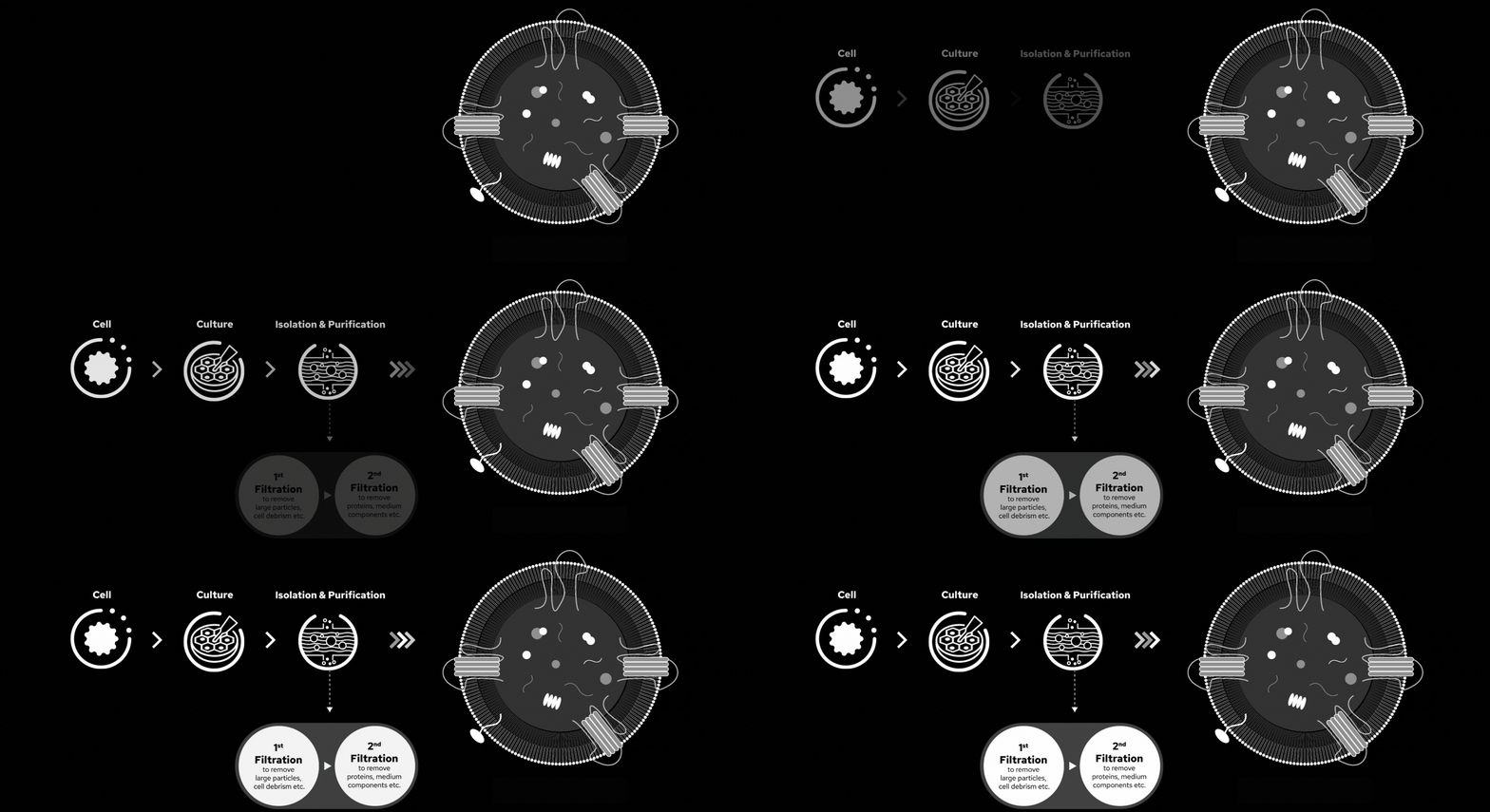
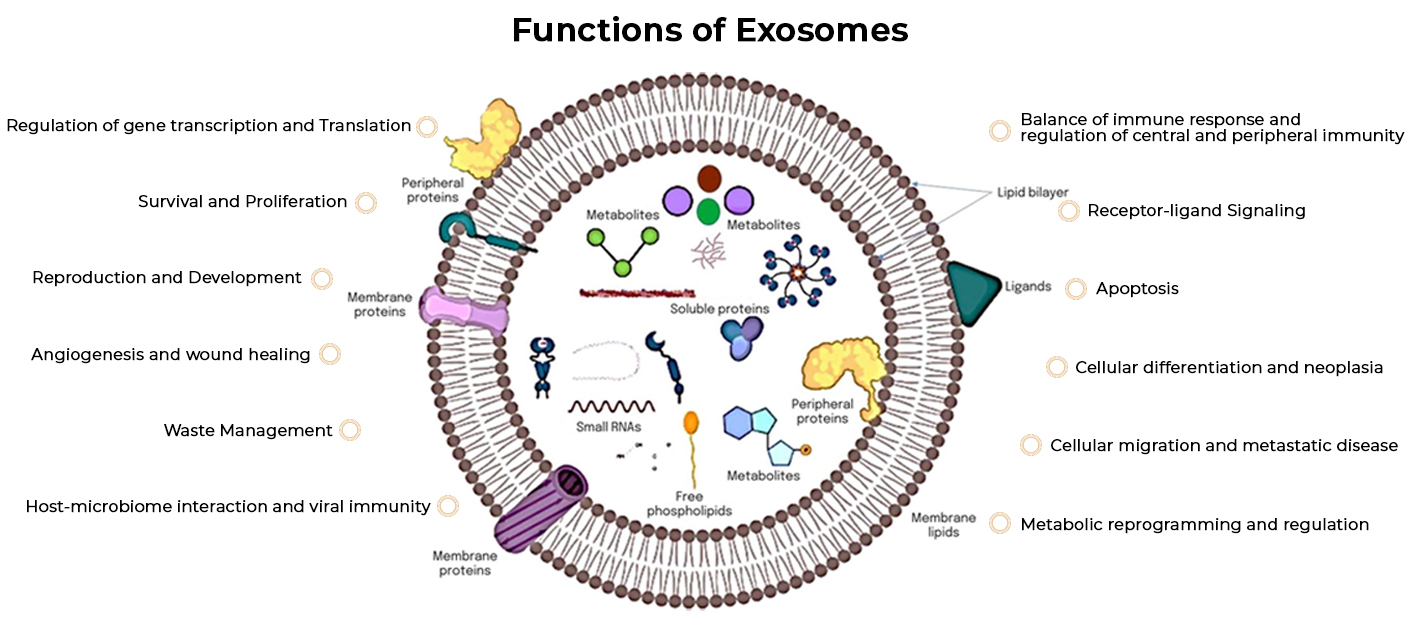
To unravel the intricate universe of exosome therapy, we must commence with the foundational question: What precisely are exosomes? Exosomes are diminutive, membrane-enclosed vesicles that serve as essential mediators of cellular communication. They originate from various cell types, including stem cells, and encapsulate a diverse array of cargoes, encompassing proteins, nucleic acids, and lipids. These minuscule packets of biological information play a pivotal role in delivering signals between cells, influencing cellular behavior, and maintaining the equilibrium of tissues.
Exosome therapy, often referred to as exosome stem cell therapy, represents a groundbreaking advancement in regenerative medicine. Its purpose is to harness the curative prowess of exosomes to address a wide spectrum of medical conditions. This innovative therapeutic approach relies on exosomes derived from sources such as stem cells to stimulate tissue regeneration and modulate the immune system.
The decision to embark on exosome therapy is typically made when conventional treatment modalities have proven ineffectual or when individuals seek minimally invasive, holistic methods of recuperation. It becomes particularly relevant when the body’s intrinsic regenerative mechanisms necessitate augmentation, as is the case with osteoarthritis, multiple sclerosis, or recalcitrant chronic wounds.
The process of exosome therapy is nothing short of fascinating, characterized by its precision and intricacy. It commences with the isolation of exosomes from an appropriate source, which may encompass stem cells or alternative cellular origins. Following isolation, a meticulous purification and preparation procedure is undertaken to ensure the therapeutic readiness of the exosomes. Subsequently, these carefully chosen exosomes are administered to the patient through a variety of delivery methods, each tailored to the specific condition being treated.
Exosome therapy can be administered through intravenous infusion, localized injections, or topical applications, the selection of which depends on the patient’s individual needs and the precise ailment being addressed. This personalized approach guarantees the effective delivery of exosomes to the target tissue or organ, thereby enhancing therapeutic outcomes.
One of the distinguishing merits of exosome therapy is its remarkable efficiency and minimal time commitment. Unlike the protracted durations often associated with certain surgical procedures or extensive treatments, exosome therapy is characteristically swift. The entire therapeutic process, encompassing consultation, treatment, and recuperation, is typically accomplished within a matter of hours.
Patients can anticipate a brief period of observation following the therapy to monitor for any immediate reactions. However, in most instances, individuals can promptly return to their daily routines, either on the same day or the day following treatment. The expeditiousness and simplicity of exosome therapy render it an attractive option for those seeking effective remedies without prolonged downtime.
The necessity for multiple sessions of exosome therapy is contingent upon several variables, including the nature and severity of the patient’s condition, their overall health, and their therapeutic objectives. In certain cases, a solitary session may suffice to achieve the desired therapeutic outcomes, while others may necessitate a series of sessions spaced out over time.
Seasoned healthcare professionals, comprising physicians and regenerative medicine specialists, undertake a meticulous evaluation of each patient to discern the optimal treatment course. The determination of the number of sessions requisite is guided by an amalgamation of factors, encompassing the extent of the ailment, the patient’s responsiveness to therapy, and recurrent health evaluations.
Types of exosomes used in cosmetics
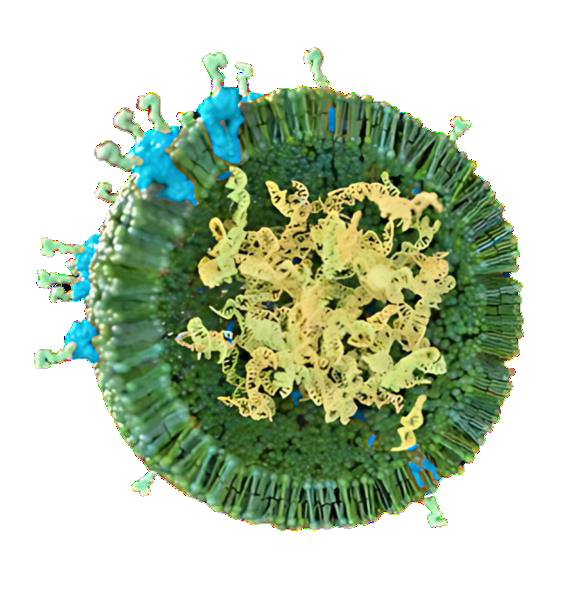
Natural Exosomes
Isolated from biological sources & fluids (animals, plants, etc.
Structurally intact.

Modified Exosomes
Modified surface and cargo composition of natural exosomes
Structurally modified
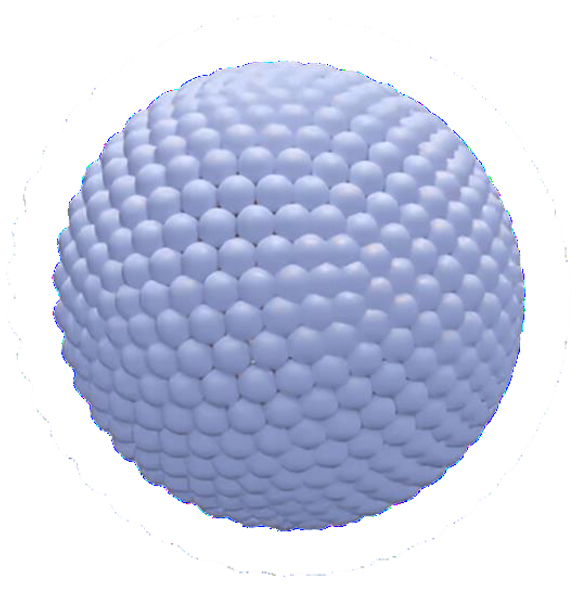
Synthetic Exosomes
Synthetically produced, mimicking properties of natural exosomes
Structurally very different
Natural exosomes vs synthetic exosomes
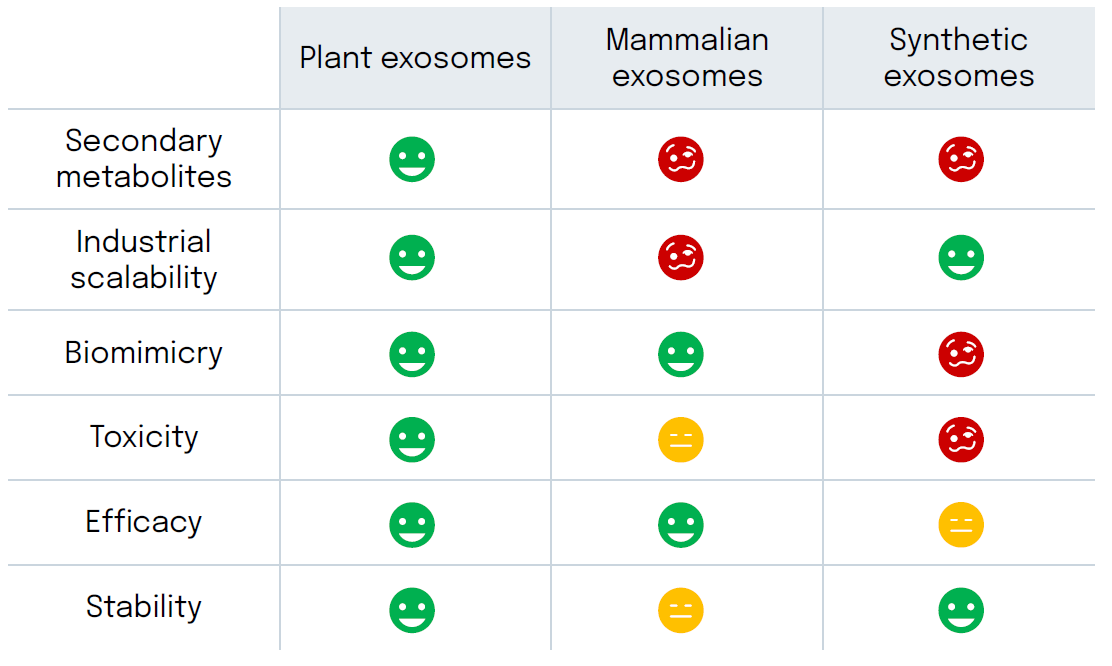
Natural exosomes: Animal vs Plants
HUMAN/MAMMALIAN DERIVED EXOSOMES
-
Lots of transmembrane proteins: tetraspanins, antigen presenting…..
-
Cytosolic proteins growth factors and cytokines (TNF-a, TGF-β)
-
Cholesterol and sphingomyelin
-
Small size: 30-150 nm
-
Less stable and difficult extraction: cell cultures, low yield….
-
Non vegan friendly
PLANT DERIVED EXOSOMES
More suitable for the cosmetic industry-
Few transmembrane proteins: aquaporins and chloride channels
-
Phosphatidic acid (PA), phosphatidylcholine (PC), no cholesterol
-
Small molecule compounds with therapeutic effects
-
Bigger size: 30 nm – 500 nm
-
More stable to temperature
-
Low immunogenicity
-
Vegan friendly
They act as a kind of communication network in the body. They play a role in material transport and tissue recovery processes by providing signal communication between cells.
At the first stage of formation, a part of the cell membrane is taken into the cell. The membrane, folding into itself again, forms a small vesicle. It then forms a structure called the “multivesicular body” (MVB), which contains many vesicles.
The multivesicular bodies fuse with the plasma membrane, and the contents of the multivesicular body are excreted outside the cell. All these processes are strictly controlled by signaling tools inside the cell. All these micro-vesicles are called “exosomes”.
- Acute Lung Injury
- Skin Rejuvenation
- Spot Treatment
- Graft vs Host Disease (GvHD)
- Hair Loss
- Spinal Cord Injury
- Duchenne Muscular Dystrophy
- Regulation of T and B Cells
- Wound Treatment
- Photo-Aging
- Atopic Dermatitis (AD)
- Osteoarthritis (OA)
Exosome Treatment for Skin Damage
Scar treatment, spot treatment, photo-aging and skin rejuvenation processes are the biological result of deformations that occur on the skin.
- It repairs the scar.
- It helps the skin maintain its lost elasticity and strength.
- It helps cells regain their lost properties due to aging, thanks to its regenerative abilities.
Exosome Application in Hair Loss
Hair loss, also known as alopecia or baldness, might occur for various reasons, such as aging, diseases, and medications. Exosomes provide a potential application area for the treatment of hair loss.
It accelerates the first stage of hair growth in which the hair grows continuously by enabling the hair follicles to be switched from the telogen phase to the anagen phase. By supporting the viability of exosomes, the growth factor is provided and facilitates the growth of the hair shaft in the hair follicles.
Exosome Treatment in Immunosystem Diseases
It supports the immune system by purifying the activation of regulatory T cells.
Exosome Treatment in Graft vs Host Disease (GvHD)
It is used prophylactically in the treatment of GvHD.
Exosome Treatment in Ovarian Rejuvenation
One of the signs of ovarian aging is a decrease in the number of follicles. Ovarian reserve is mainly defined by the quantity and quality of primordial follicles.
It is known that the amount of primordial follicles increases significantly and begins after mesenchymal stem cell-derived exosome intervention. Mesenchymal stem cell-derived exosome is used in the treatment of diseases such as polycystic ovary, ovarian development, uterine diseases, endometrial receptivity.
Exosome Application in Spinal Cord Injuries
Mesenchymal stem cell-derived exosomes have shown to have effective repair effects on SCI.
- It accelerates motor function and alleviates histopathologic damage by supporting neuronal regeneration.
- It suppresses apoptosis of neuronal cells and supports functional recovery.
- It promotes loco-motor functional recovery and reduces inflammation.
- It increases functional recovery and reduces complement activation caused by spinal cord injury.
- It may improve functional recovery and axonal regeneration.
- Thanks to the miRNA-21, miRNA-133b and miRNA-126 they contain, mesenchymal stem cell-derived exosomes repair deformations caused by spinal cord injury.
Cartilage Damage and Joint Calcification
Mesenchymal stem cell-derived exosomes enable the regeneration of cartilage tissue. It reduces inflammation and supports the proliferation of cartilage cells. It is used in the treatment of joint diseases such as osteoarthritis, talus.
Bone Healing
Mesenchymal stem cell-derived exosomes help fractures heal faster. It supports the re-formation of bone tissue by increasing the activity of osteoprogenitor cells.
Muscle and Tendon Injury
Mesenchymal stem cell-derived exosomes accelerate the recovery process of muscle and tendon injuries. They reduce inflammation in tendon injuries such as tendonitis and tendinosis and support rapid regeneration of tendon cells.
Ligament Injury
Mesenchymal stem cell-derived exosomes promote the regeneration of ligaments. This treatment provides rapid recovery from sports injuries and other traumatic situations.
The exosome treatment has no interaction with medicines and has no known side effects. It has not been tested for use during pregnancy and lactation.
There is no specific age limit for exosome treatment; however, the effectiveness and appropriateness of the treatment may vary from person to person.
Exosomes affect cells by signaling to targeted cells and through the biomolecules they contain. As they are surrounded by a thin membrane, they easily transport to various tissues and organs in the body. It accelerates tissue repair and promotes recovery. As they are between 50 and 200 nm in diameter, they can easily pass through the blood-brain barrier.
Cellular therapies have been used worldwide for about 20 years. Interest in treatment has increased recently. It stands out as a current approach among cellular therapies thanks to its properties. It is a stem cell-derived but cell-free treatment method that has also started to be heard in our country in recent years. In this type of treatments, cellular products produced in licensed and certified centers should be preferred.
It is a demanding and sensitive method that requires special laboratory conditions. Umbilical cord-derived mesenchymal stem cells are reproduced in cGMP (current Good Manufacturing Practices) laboratories using appropriate culture methods. Cells that reach a sufficient number are exposed to stress by various methods and are enabled to produce exosomes.
The exosomes obtained are purified by appropriate purification method. Once the exosomes become the final product, they are stored as a homogeneous suspension in sterile form with a cold chain.
It is Prepared under Laboratory Conditions in Accordance with Quality Control Standards
In order for the application to be healthy, the quality standards of the exosomes produced are of great importance.
As LivMedCell Regenerative Medicine, Stem Cell Center, the following tests are applied in exosome product applications in accordance with quality control standards in our laboratory.
- Mycoplasma Analysis
- Endotoxin Test Analysis
- Microbial Detection/Gram Staining
- Flow Cytometry Analysis
- NTA (Nanoparticle Tracking Analysis) Test
The applications should be performed by specialized doctors and the exosomes produced should be prepared in laboratories with cGMP conditions approved by the Ministry of Health.
After production of exosomes, they can be stored at -152 oC. If desired, they are thawed by appropriate methods and transferred to the patient under conditions suitable for transplantation. The shelf life of the final product prepared for application to the patient is 1 week under appropriate storage conditions.
They act as a kind of communication network in the body. They play a role in material transport and tissue recovery processes by providing signal communication between cells.
At the first stage of formation, a part of the cell membrane is taken into the cell. The membrane, folding into itself again, forms a small vesicle. It then forms a structure called the “multivesicular body” (MVB), which contains many vesicles.
The multivesicular bodies fuse with the plasma membrane, and the contents of the multivesicular body are excreted outside the cell. All these processes are strictly controlled by signaling tools inside the cell. All these micro-vesicles are called “exosomes”.
- Acute Lung Injury
- Skin Rejuvenation
- Spot Treatment
- Graft vs Host Disease (GvHD)
- Hair Loss
- Spinal Cord Injury
- Duchenne Muscular Dystrophy
- Regulation of T and B Cells
- Wound Treatment
- Photo-Aging
- Atopic Dermatitis (AD)
- Osteoarthritis (OA)
Exosome Treatment for Skin Damage
Scar treatment, spot treatment, photo-aging and skin rejuvenation processes are the biological result of deformations that occur on the skin.
- It repairs the scar.
- It helps the skin maintain its lost elasticity and strength.
- It helps cells regain their lost properties due to aging, thanks to its regenerative abilities.
Exosome Application in Hair Loss
Hair loss, also known as alopecia or baldness, might occur for various reasons, such as aging, diseases, and medications. Exosomes provide a potential application area for the treatment of hair loss.
It accelerates the first stage of hair growth in which the hair grows continuously by enabling the hair follicles to be switched from the telogen phase to the anagen phase. By supporting the viability of exosomes, the growth factor is provided and facilitates the growth of the hair shaft in the hair follicles.
Exosome Treatment in Immunosystem Diseases
It supports the immune system by purifying the activation of regulatory T cells.
Exosome Treatment in Graft vs Host Disease (GvHD)
It is used prophylactically in the treatment of GvHD.
Exosome Treatment in Ovarian Rejuvenation
One of the signs of ovarian aging is a decrease in the number of follicles. Ovarian reserve is mainly defined by the quantity and quality of primordial follicles.
It is known that the amount of primordial follicles increases significantly and begins after mesenchymal stem cell-derived exosome intervention. Mesenchymal stem cell-derived exosome is used in the treatment of diseases such as polycystic ovary, ovarian development, uterine diseases, endometrial receptivity.
Exosome Application in Spinal Cord Injuries
Mesenchymal stem cell-derived exosomes have shown to have effective repair effects on SCI.
- It accelerates motor function and alleviates histopathologic damage by supporting neuronal regeneration.
- It suppresses apoptosis of neuronal cells and supports functional recovery.
- It promotes loco-motor functional recovery and reduces inflammation.
- It increases functional recovery and reduces complement activation caused by spinal cord injury.
- It may improve functional recovery and axonal regeneration.
- Thanks to the miRNA-21, miRNA-133b and miRNA-126 they contain, mesenchymal stem cell-derived exosomes repair deformations caused by spinal cord injury.
Cartilage Damage and Joint Calcification
Mesenchymal stem cell-derived exosomes enable the regeneration of cartilage tissue. It reduces inflammation and supports the proliferation of cartilage cells. It is used in the treatment of joint diseases such as osteoarthritis, talus.
Bone Healing
Mesenchymal stem cell-derived exosomes help fractures heal faster. It supports the re-formation of bone tissue by increasing the activity of osteoprogenitor cells.
Muscle and Tendon Injury
Mesenchymal stem cell-derived exosomes accelerate the recovery process of muscle and tendon injuries. They reduce inflammation in tendon injuries such as tendonitis and tendinosis and support rapid regeneration of tendon cells.
Ligament Injury
Mesenchymal stem cell-derived exosomes promote the regeneration of ligaments. This treatment provides rapid recovery from sports injuries and other traumatic situations.
The exosome treatment has no interaction with medicines and has no known side effects. It has not been tested for use during pregnancy and lactation.
There is no specific age limit for exosome treatment; however, the effectiveness and appropriateness of the treatment may vary from person to person.
Exosomes affect cells by signaling to targeted cells and through the biomolecules they contain. As they are surrounded by a thin membrane, they easily transport to various tissues and organs in the body. It accelerates tissue repair and promotes recovery. As they are between 50 and 200 nm in diameter, they can easily pass through the blood-brain barrier.
Cellular therapies have been used worldwide for about 20 years. Interest in treatment has increased recently. It stands out as a current approach among cellular therapies thanks to its properties. It is a stem cell-derived but cell-free treatment method that has also started to be heard in our country in recent years. In this type of treatments, cellular products produced in licensed and certified centers should be preferred.
It is a demanding and sensitive method that requires special laboratory conditions. Umbilical cord-derived mesenchymal stem cells are reproduced in cGMP (current Good Manufacturing Practices) laboratories using appropriate culture methods. Cells that reach a sufficient number are exposed to stress by various methods and are enabled to produce exosomes.
The exosomes obtained are purified by appropriate purification method. Once the exosomes become the final product, they are stored as a homogeneous suspension in sterile form with a cold chain.
It is Prepared under Laboratory Conditions in Accordance with Quality Control Standards
In order for the application to be healthy, the quality standards of the exosomes produced are of great importance.
As LivMedCell Regenerative Medicine, Stem Cell Center, the following tests are applied in exosome product applications in accordance with quality control standards in our laboratory.
- Mycoplasma Analysis
- Endotoxin Test Analysis
- Microbial Detection/Gram Staining
- Flow Cytometry Analysis
- NTA (Nanoparticle Tracking Analysis) Test
The applications should be performed by specialized doctors and the exosomes produced should be prepared in laboratories with cGMP conditions approved by the Ministry of Health.
After production of exosomes, they can be stored at -152 oC. If desired, they are thawed by appropriate methods and transferred to the patient under conditions suitable for transplantation. The shelf life of the final product prepared for application to the patient is 1 week under appropriate storage conditions.